Important Note
Educational Reference
This site is not currently breeding or selling sugar gliders. This information is kept for education and reference for people researching responsible breeding practices.
Breeding Information
A responsible breeding plan helps organize goals, budgets, legal requirements, pairings, COI decisions, room setup, and emergency procedures before breeding begins.
Important Note
This site is not currently breeding or selling sugar gliders. This information is kept for education and reference for people researching responsible breeding practices.
Overview
A breeding plan is a written document that outlines your goals for breeding sugar gliders. It helps organize your ideas and prepare you for a long-term breeding program.
A complete plan should include mentor contacts, breeding goals, veterinary information, budgets, legal research, purchasing plans, room layout, pairings or colonies, emergency contacts, and care procedures.
Mentorship
A common practice in sugar glider breeding is finding a mentor to help you through your first few years of breeding. A good mentor can help you develop a focus, find reputable breeders, review pedigrees, set up pairs, and answer questions along the way.
Finding a mentor is generally possible through sugar glider groups, forums, online breeder searches, and direct contact with experienced breeders. Do not be offended if a breeder is unable to mentor, because mentoring is a serious commitment.
If possible, find a local mentor. A local mentor may allow you to see a working setup firsthand and may be able to help in person with questions or emergencies.
Do not settle for just any mentor. Ask questions and make sure the mentor is a good fit. Mentors should have at least three to five years of breeding experience and should have similar breeding focuses.
Goals
One of the most important parts of a breeding plan is a clear focus that answers the question: why are you breeding sugar gliders? This focus helps you choose the best sugar gliders for your program.
For example, if your main focus is to produce white mosaic joeys with leucistic backgrounds, you would most likely not choose a sugar glider with an albino background and no mosaic coloring.
The more specific the focus is, the easier it is to stay on track. Some breeding programs change focus over time, and some develop more than one focus, but a new breeder should usually begin with one clear focus.
Budget
All breeding programs need to be prepared for both expected and unexpected veterinary expenses. Yearly wellness checks, including fecal tests, should be completed on all breeding sugar gliders.
All new sugar gliders entering a breeding program should have a vet check before they are introduced to the existing population. This helps reduce the risk of introducing illness or parasites to the rest of the colony.
Emergency injuries, such as mating wounds, can also require veterinary care. To prepare a veterinary budget, consider colony size and expected expenses, then call the local vet for pricing on wellness checks, fecal exams, and office visits.
It is impossible to predict emergency costs exactly. The older guide suggested that some breeders set aside an emergency amount similar to their expected yearly veterinary expenses. For example, if expected yearly veterinary expenses are $500, the total veterinary fund might be around $1,000.
Budget
Care expenses include dietary ingredients, proper cages, cage maintenance, toys, stimulation items, and bonding accessories. Calculating this number depends on the breeder’s setup and routine.
Make a list of all expected expenses, then research the cost of those items and how often each item will need to be replaced or purchased.
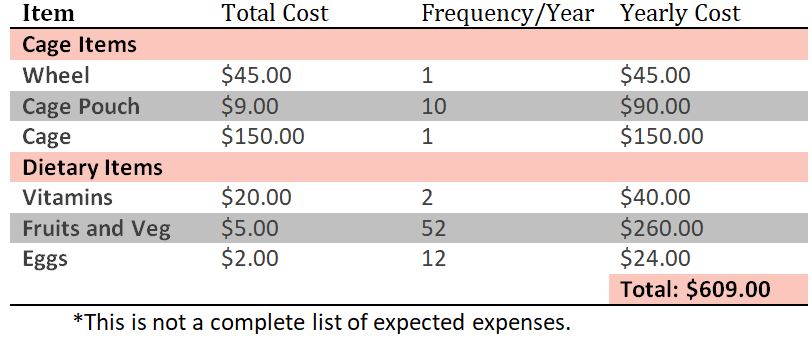
Remember that this is a startup care budget for a new breeder. As the years progress, projected care expenses should be adjusted. For example, cages may not need replaced every year, but diet or supply needs may change.
Legal
Breeding sugar gliders can be subject to additional laws, licensing requirements, or bans in specific areas. Always check both local and state regulations before breeding.
The older guide gave examples that some areas may require licenses while other municipalities may not allow sugar gliders at all. Because rules can vary by state, county, city, township, or municipality, breeders should verify requirements directly.
Include legal contacts, licensing costs, and what you learned in the written breeding plan so you can reference it later.
Budget
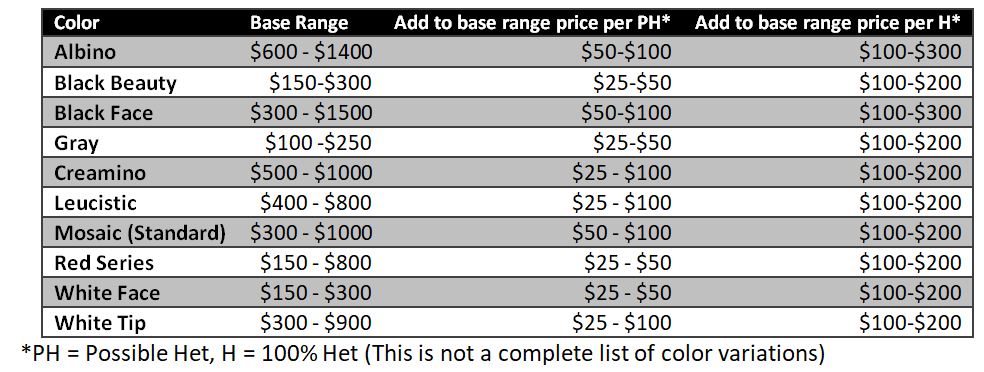
Determine a budget for purchasing sugar gliders that match the breeding goals. Approximate costs can be researched through sugar glider ads, breeder websites, and conversations with reputable breeders. A mentor may also help with realistic price expectations.
Sugar glider prices vary greatly. Generally, the rarer the color, variation, or combination, the more expensive the glider may be.
Setup
Designing a breeding room is an important step. It helps organize sugar glider equipment and helps determine cage limitations. For example, someone planning to breed four pairs must confirm there is enough space for four properly sized cages and all related supplies.
The layout should include organizational plans for clean pouches and toys, dirty pouches and toys, cage cleaning supplies, treats, paperwork, emergency supplies, and bedding. These items should have designated areas in the diagram.
Start by measuring the glider space. Decide where cages will be placed, then draw boxes to represent the cages. Leave space between cages for safety. It can help to number cages for future reference and care instructions.
Add storage notes to the diagram. For example, if dirty pouches will go in a clothes basket, write that on the diagram so someone helping during an emergency can follow the system quickly.
Pairings
After locating sugar gliders and confirming how many cages will work, create a list of pairings or colonies. Colony breeding can be difficult and is not recommended for beginners.
When making the pairing or colony list, confirm that the pairing is likely to produce joeys that fit the breeding goals and that pedigrees result in low COIs and high ALCs. A mentor or the breeder you are purchasing from can often help review this information.
Traditionally, a COI should be lower than 5%, although some situations may differ. Responsible breeders should understand kinship and COI before breeding.
Emergency Planning
This section of the breeding plan is critical before breeding begins. Emergencies will happen. A family emergency may take you away from care, or a sugar glider emergency may require an immediate vet visit late in the evening.
When working with live animals, you need to be prepared. The following information should be written down and displayed clearly in the sugar glider room so someone else can take over care if needed.
The care guide should explain where food supplies, bowls, water bottles, staple diet, fruits, vegetables, dishes, clean pouches, toys, bedding, treats, and emergency supplies are stored.
It should also explain how each cage is fed, how much each cage receives, when food is placed and removed, when trays are cleaned, how pouches are washed, and what socialization or observation should happen while you are away.
Related